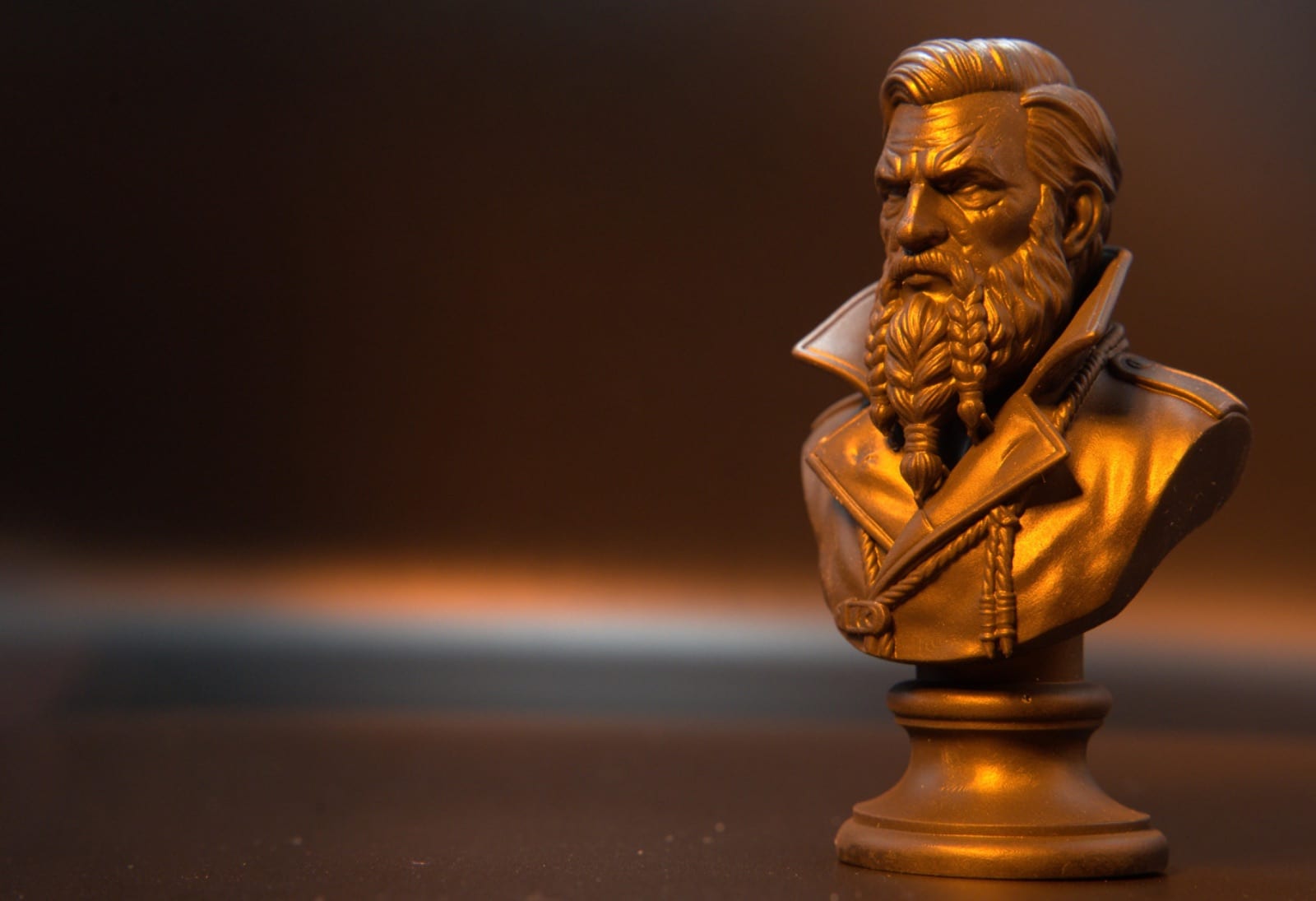
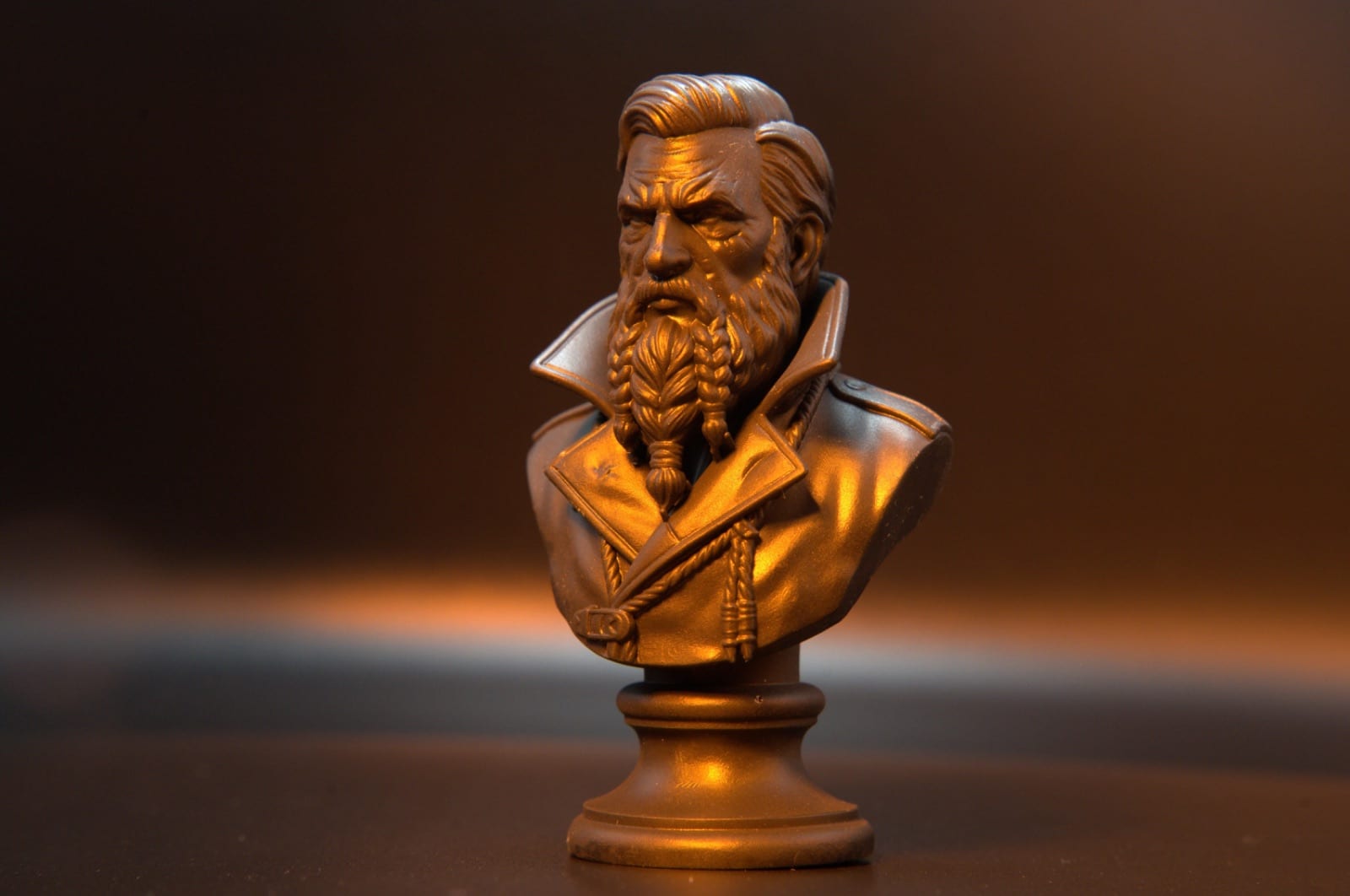
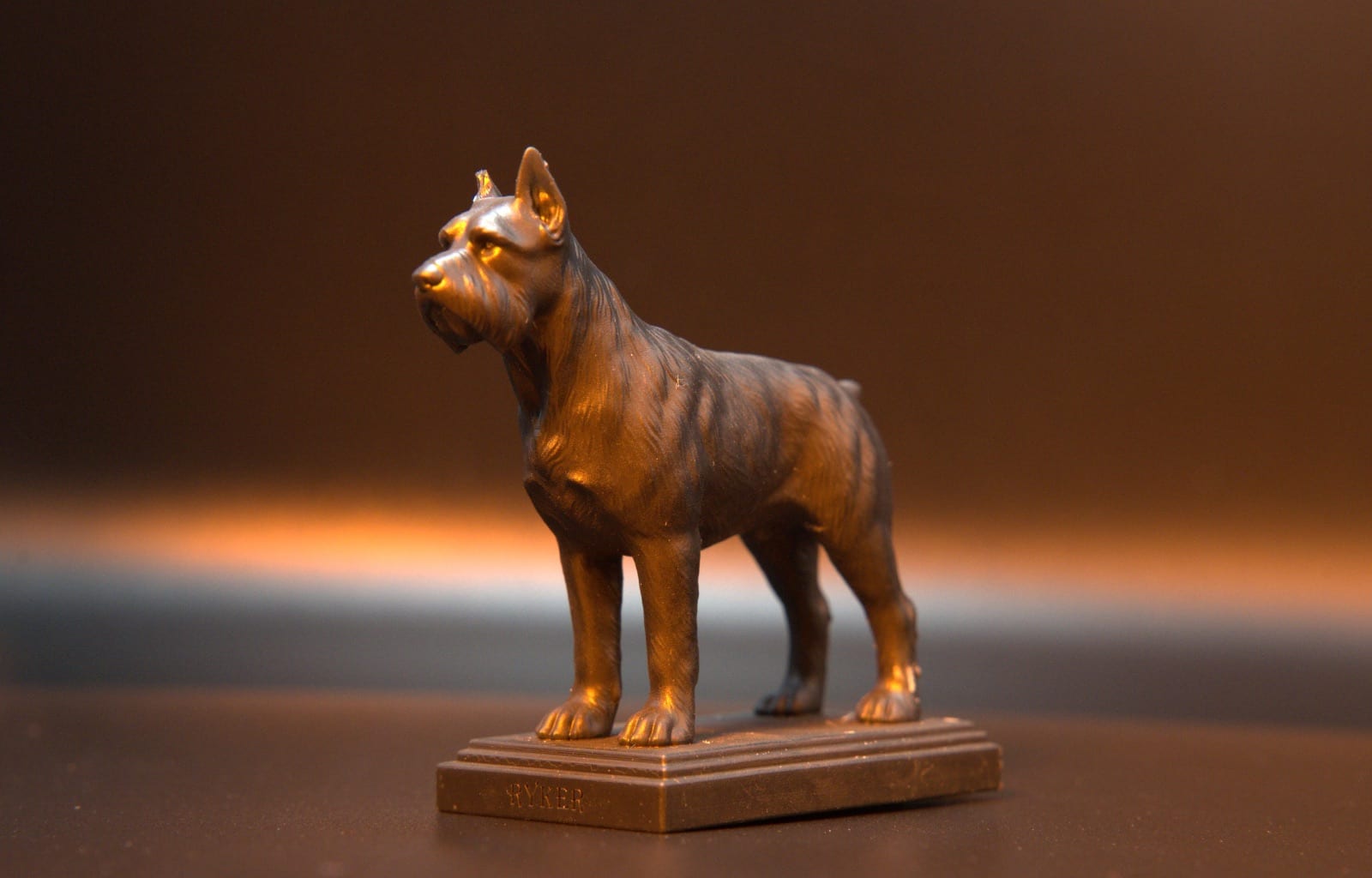
Real jobs for real customers, photographed as they shipped. Pick a category to see just that
work, or scroll to browse it all.
Showing all 9 jobs.
Miniatures & tabletop
4 jobs shown
Dragons, busts, figures, dice — anything that lives or dies on detail.
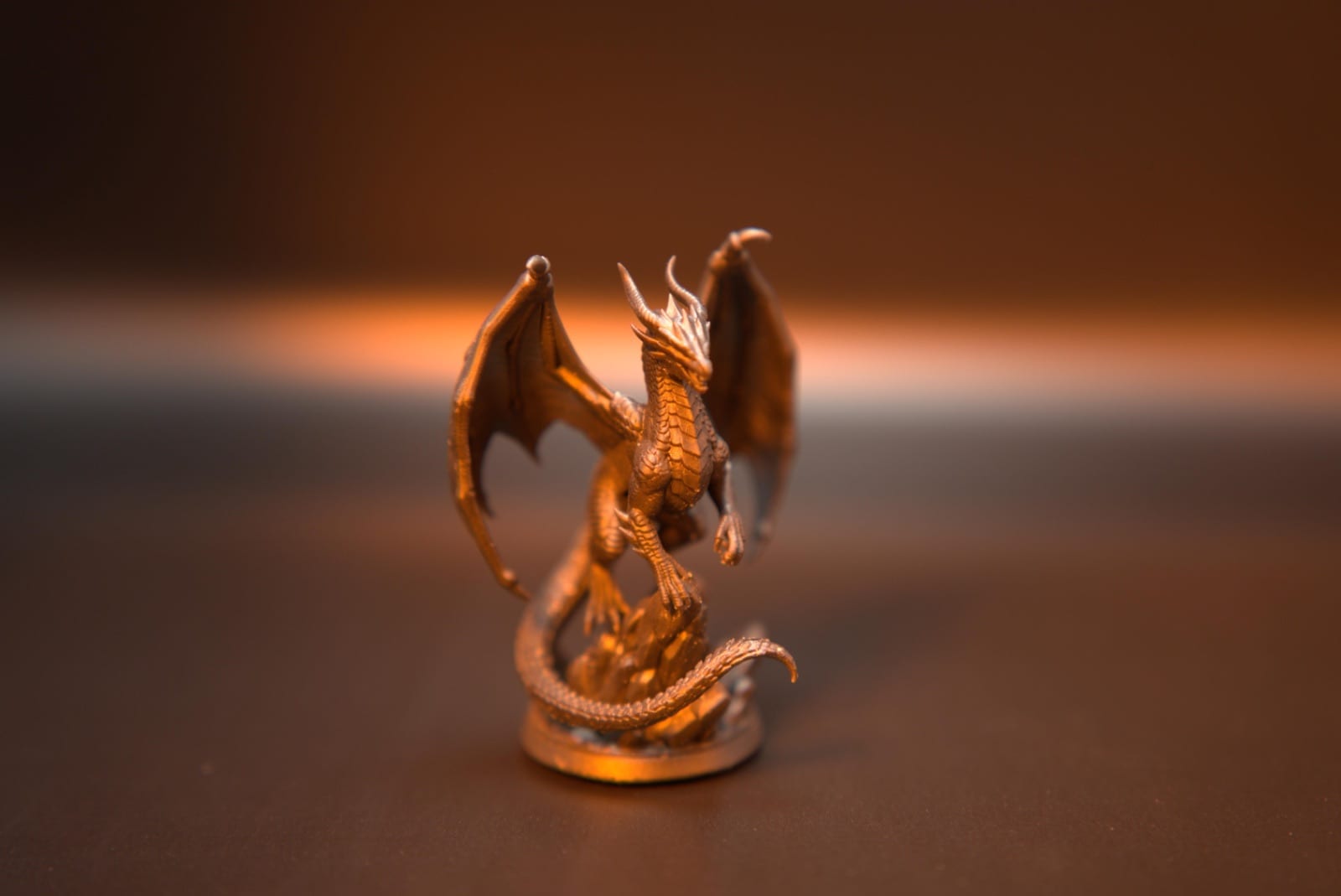
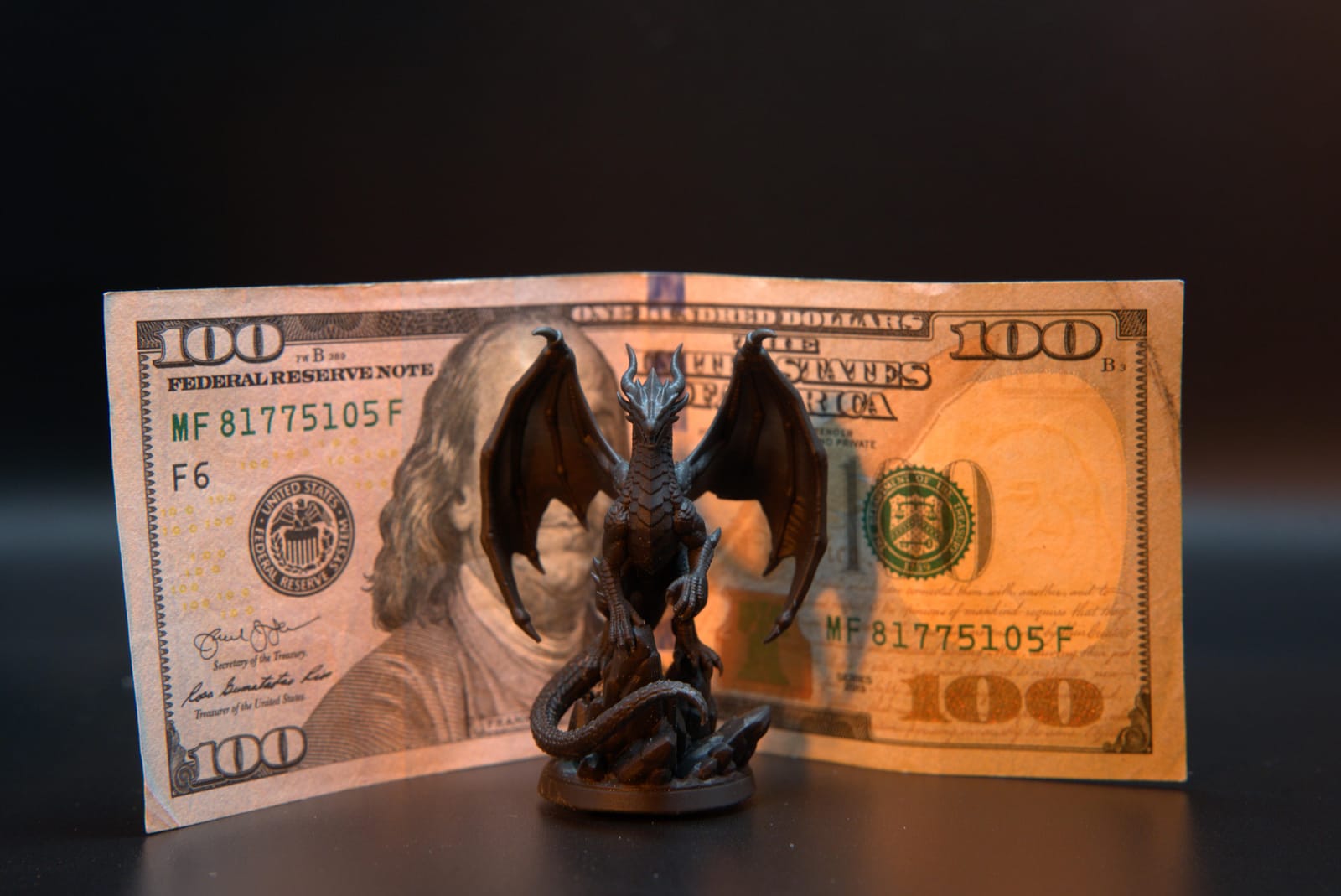
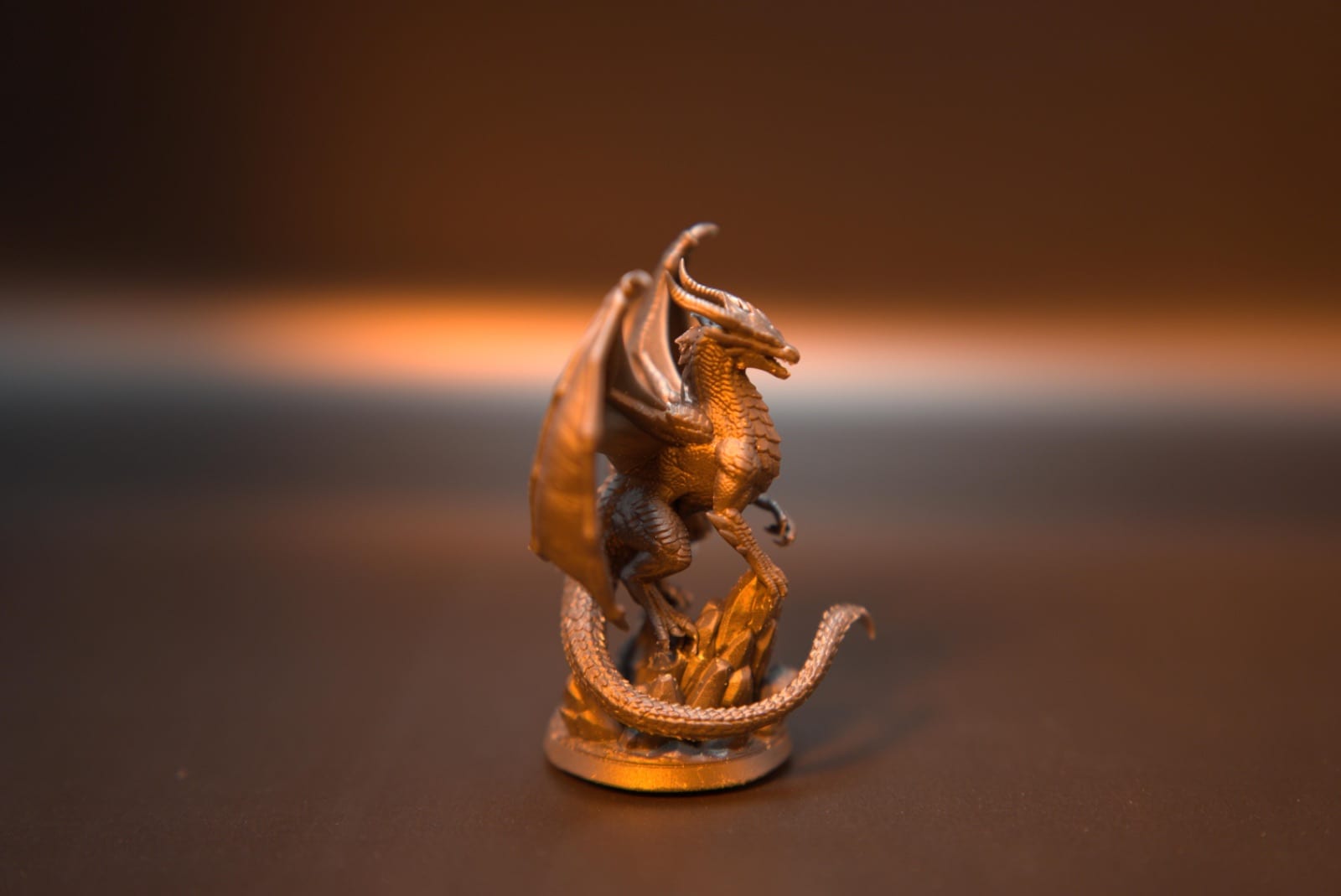
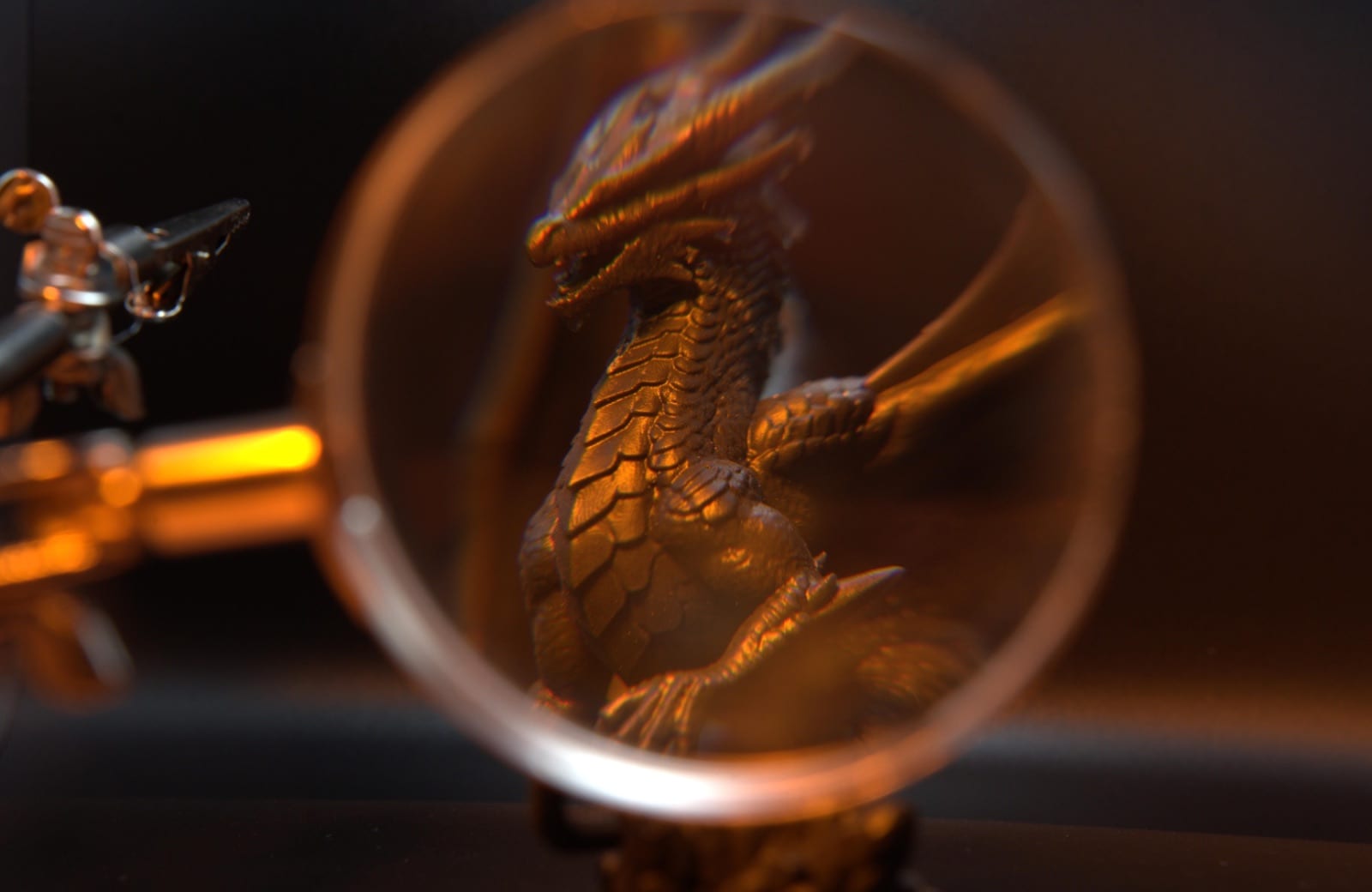
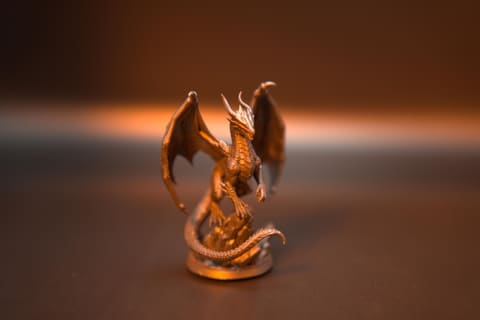
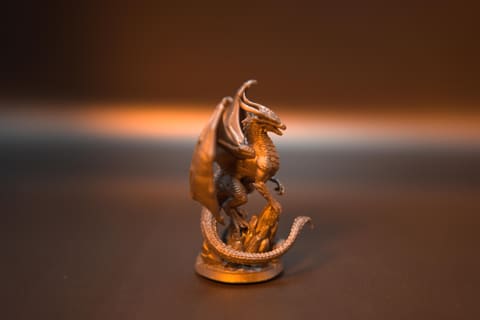
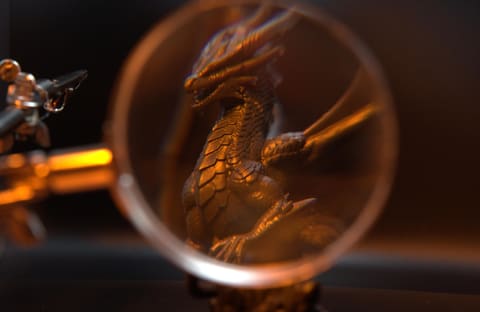
Copper dragon miniature, every scale intact
25 µm layers
Copper finish
Zero visible layer lines
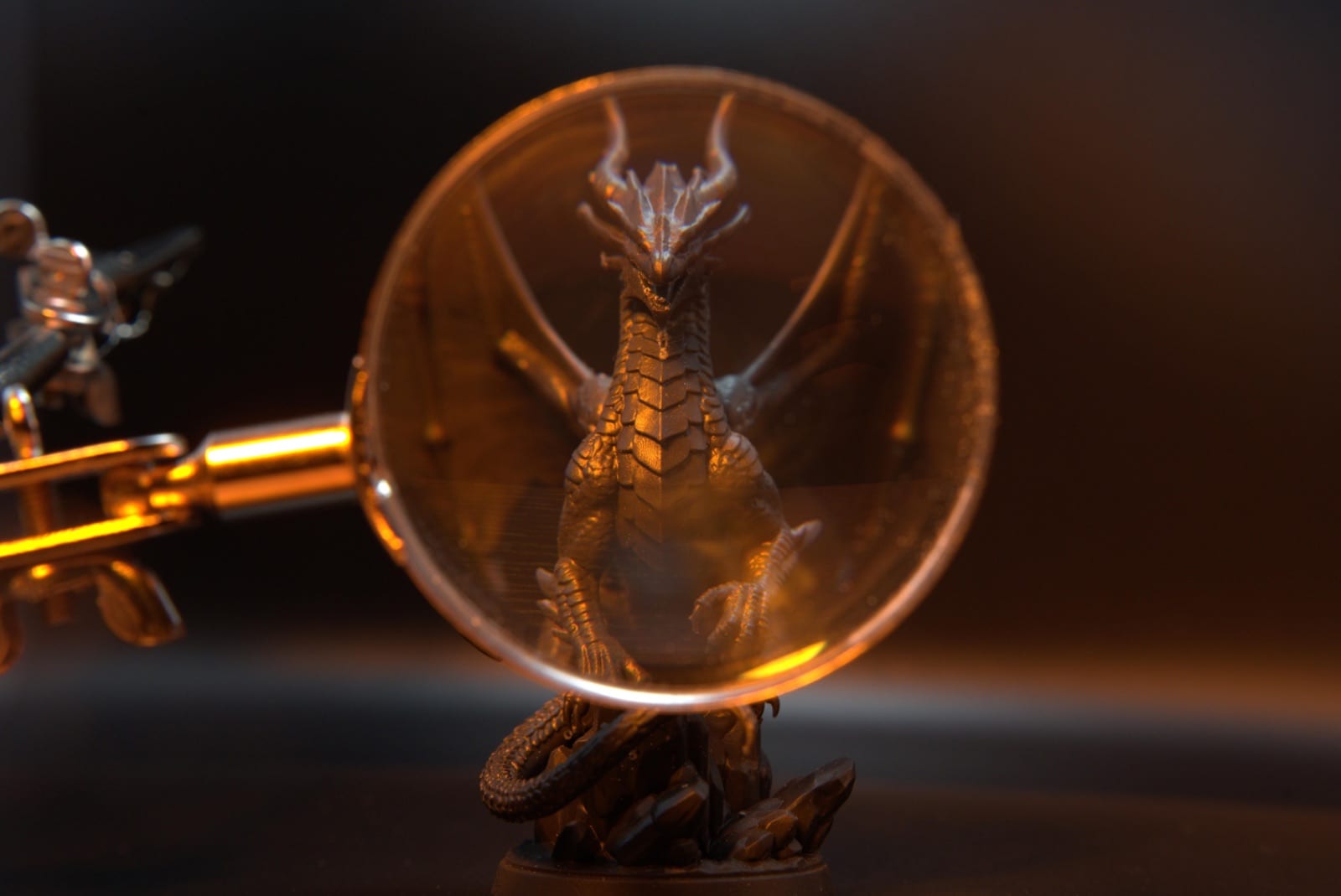
Survives the loupe
Individual scales, wing membranes, and crystal base printed at 25 microns — the magnified shots are the print itself, not a render. This is what SLA does that filament can't.
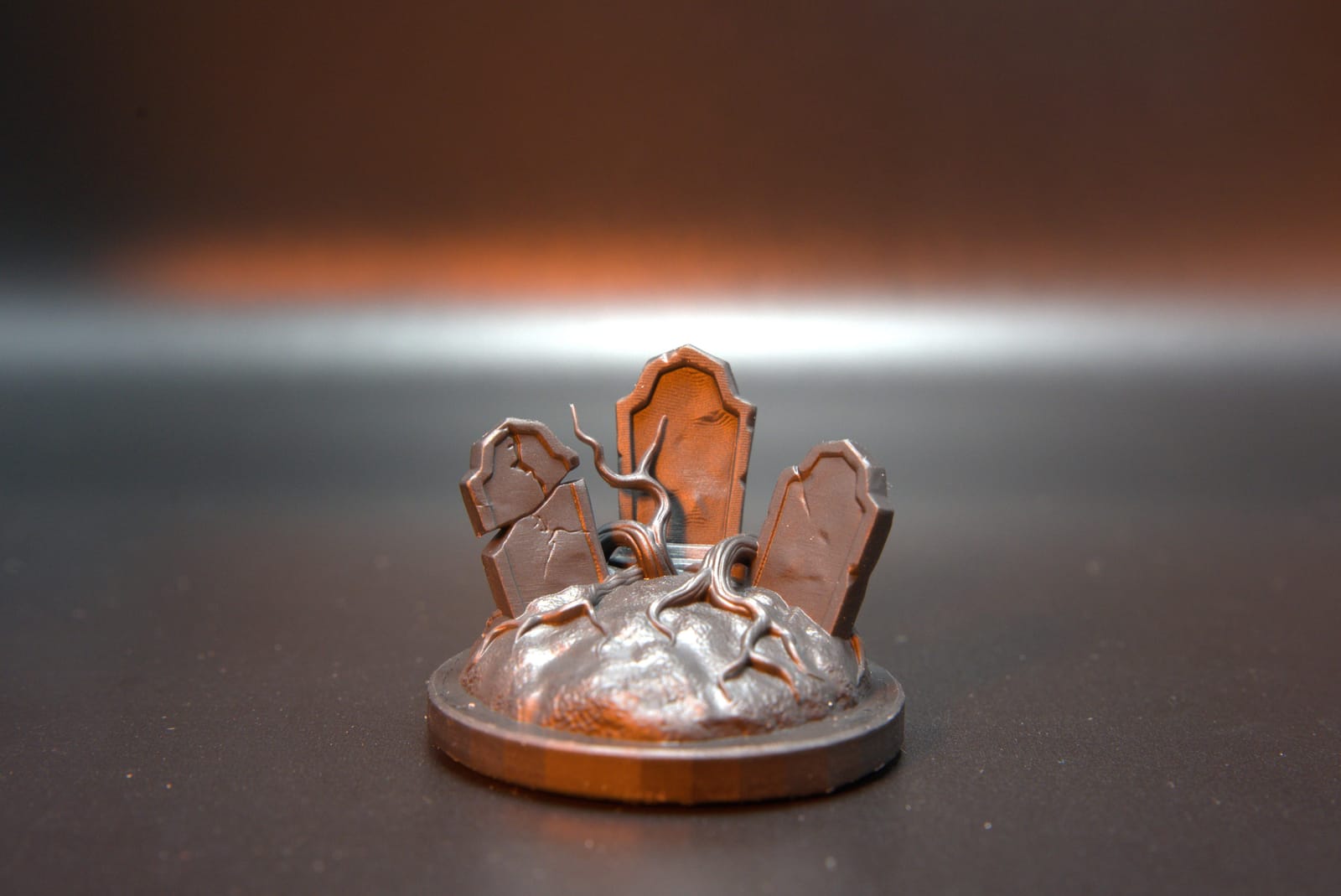
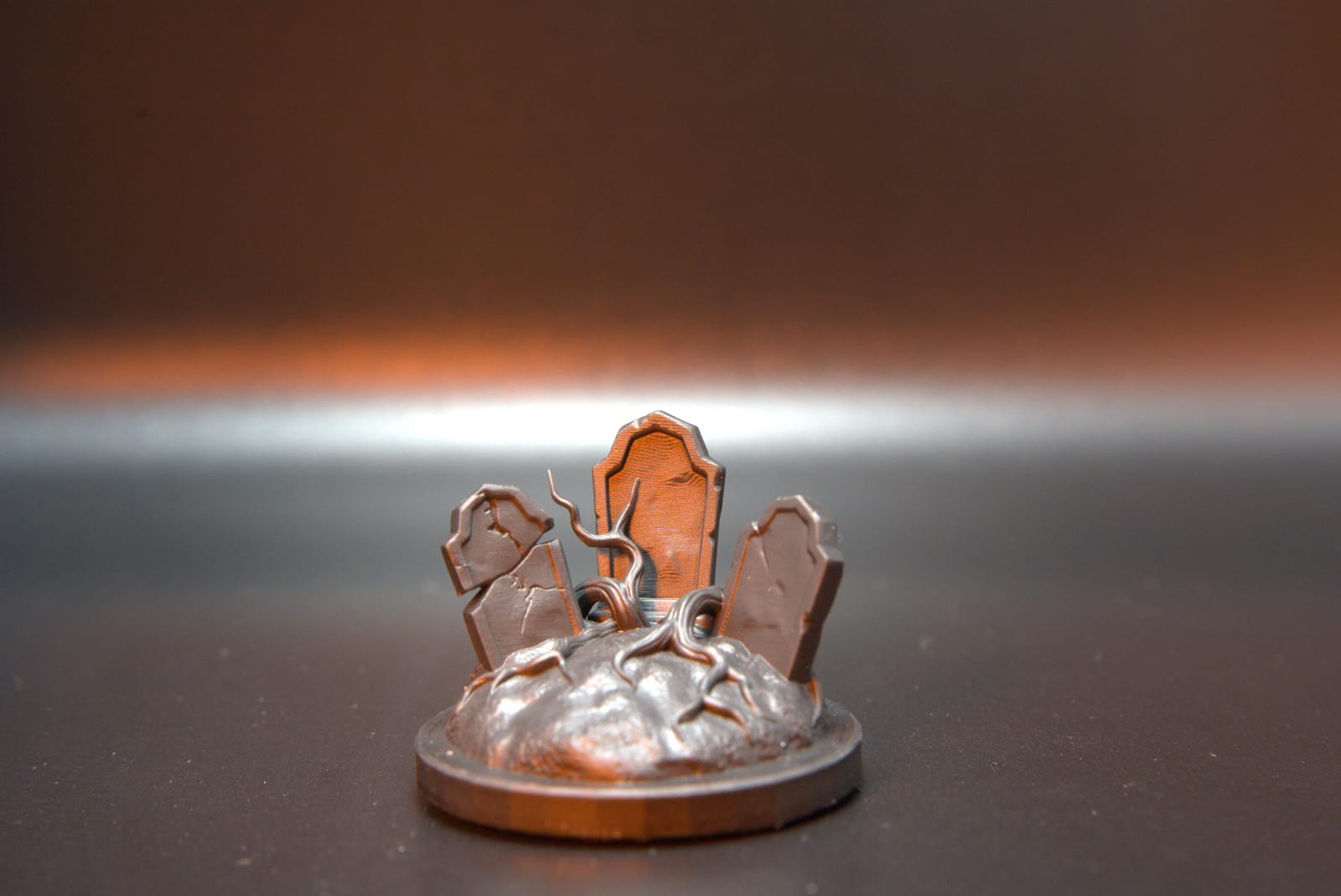
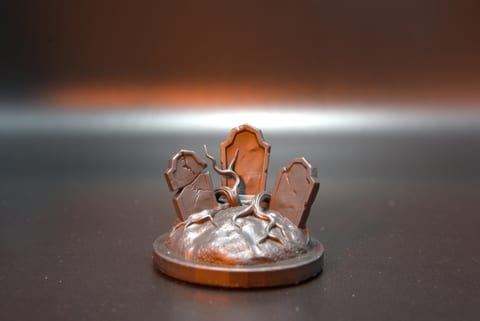
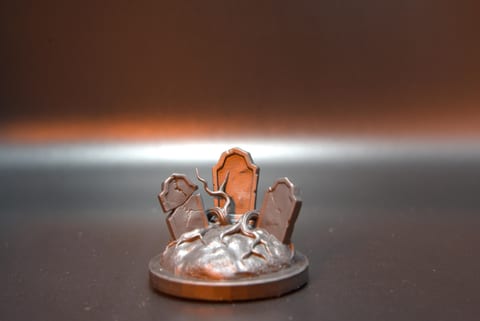
Three headstones, a root system crawling over the mound, and no assembly — the whole base prints as one piece, so there is no glue seam running across the front of a stone. Shown in copper and in grey.
1:12 furniture, dollhouse pieces, set dressing, architectural massing.
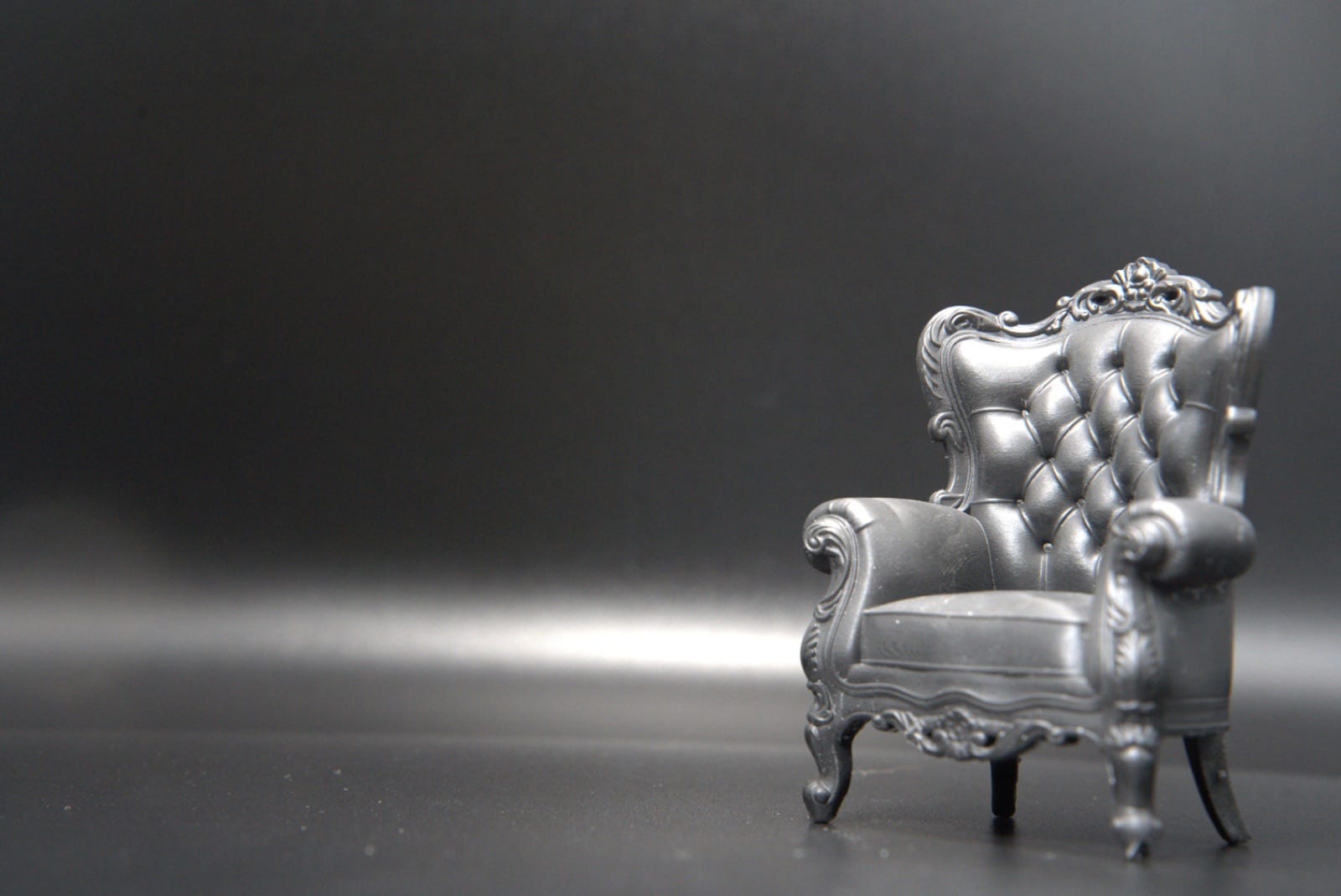
1:12 tufted wingback armchair
25 µm layers
Tufted upholstery detail
Penny for scale
Measured before shipping
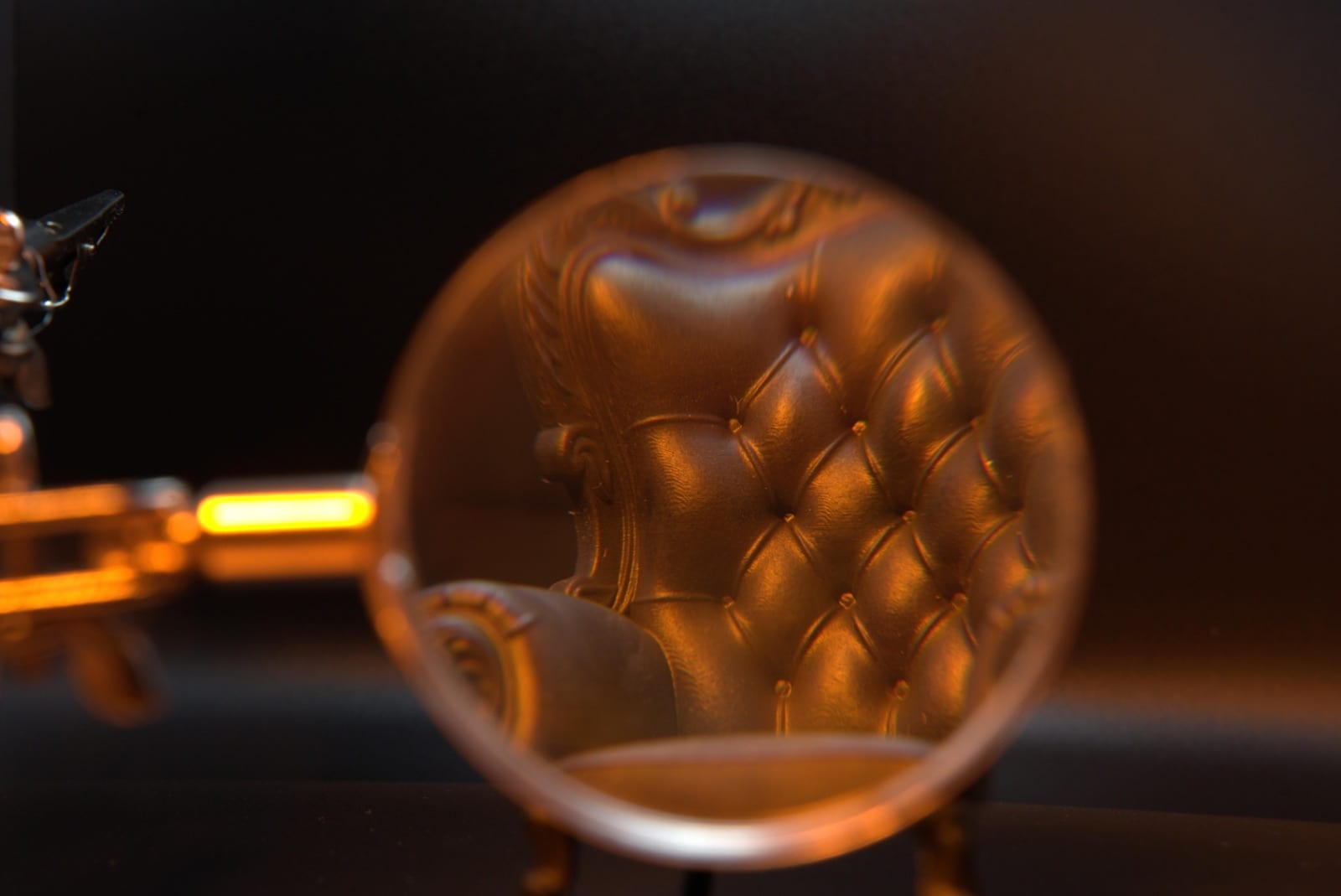
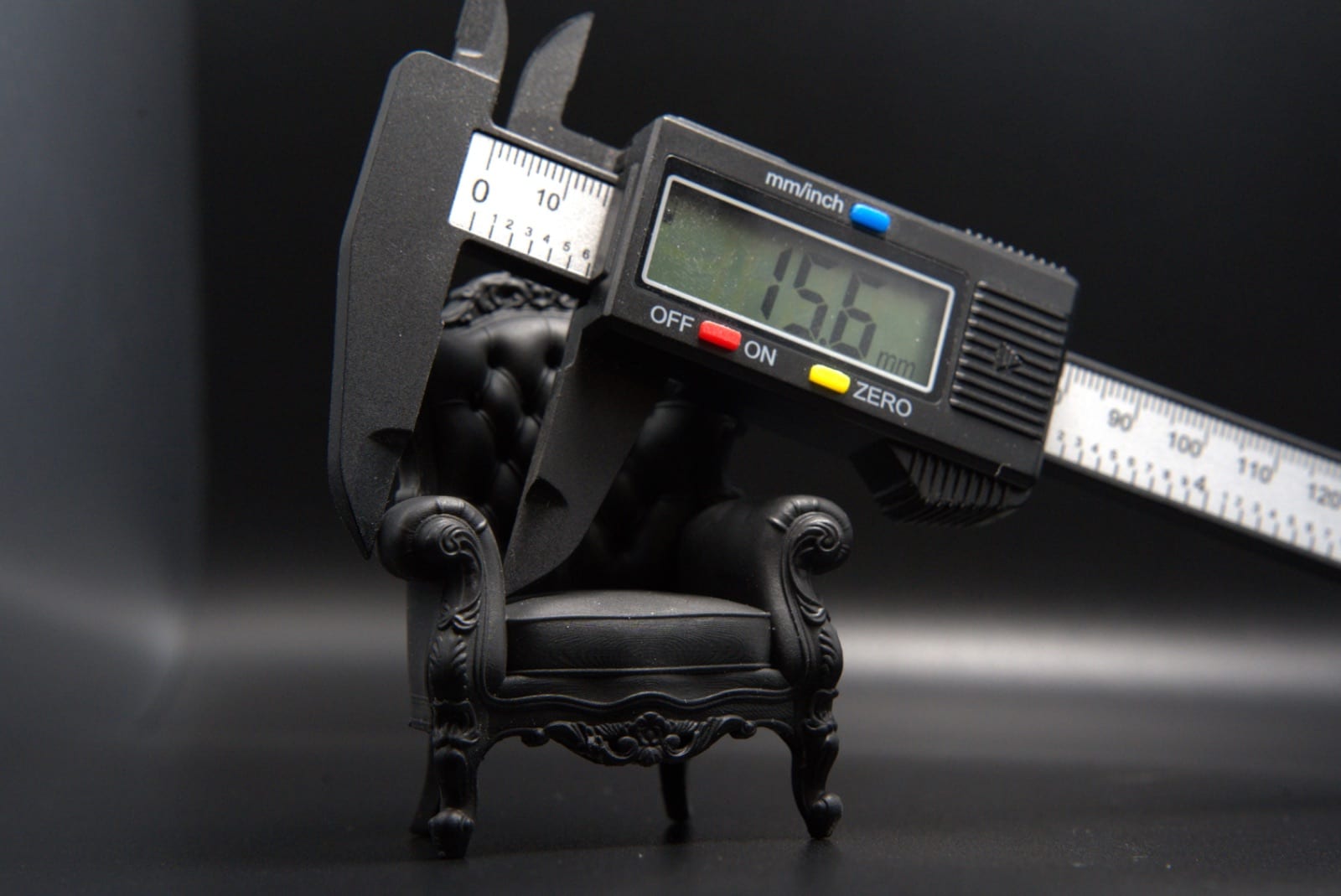
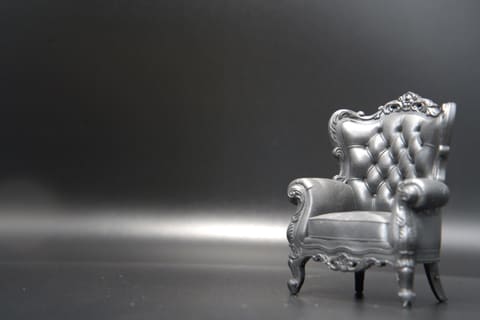
Miniature furniture for interiors, dollhouses, and set design. Every button tuft and carved scroll printed clean — verified with calipers before it shipped.
Fit checks, functional one-offs, and both processes side by side — resin for detail, filament for size and toughness.
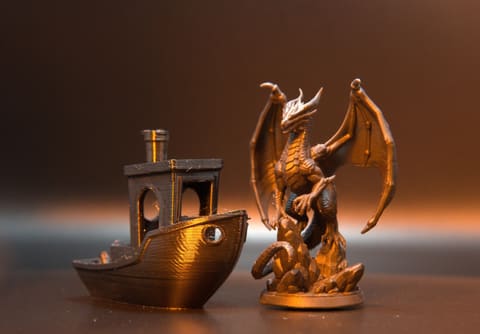
SLA vs FDM: the same model, two processes
Side-by-side comparison
25 µm vs 200 µm
Same file
See the difference
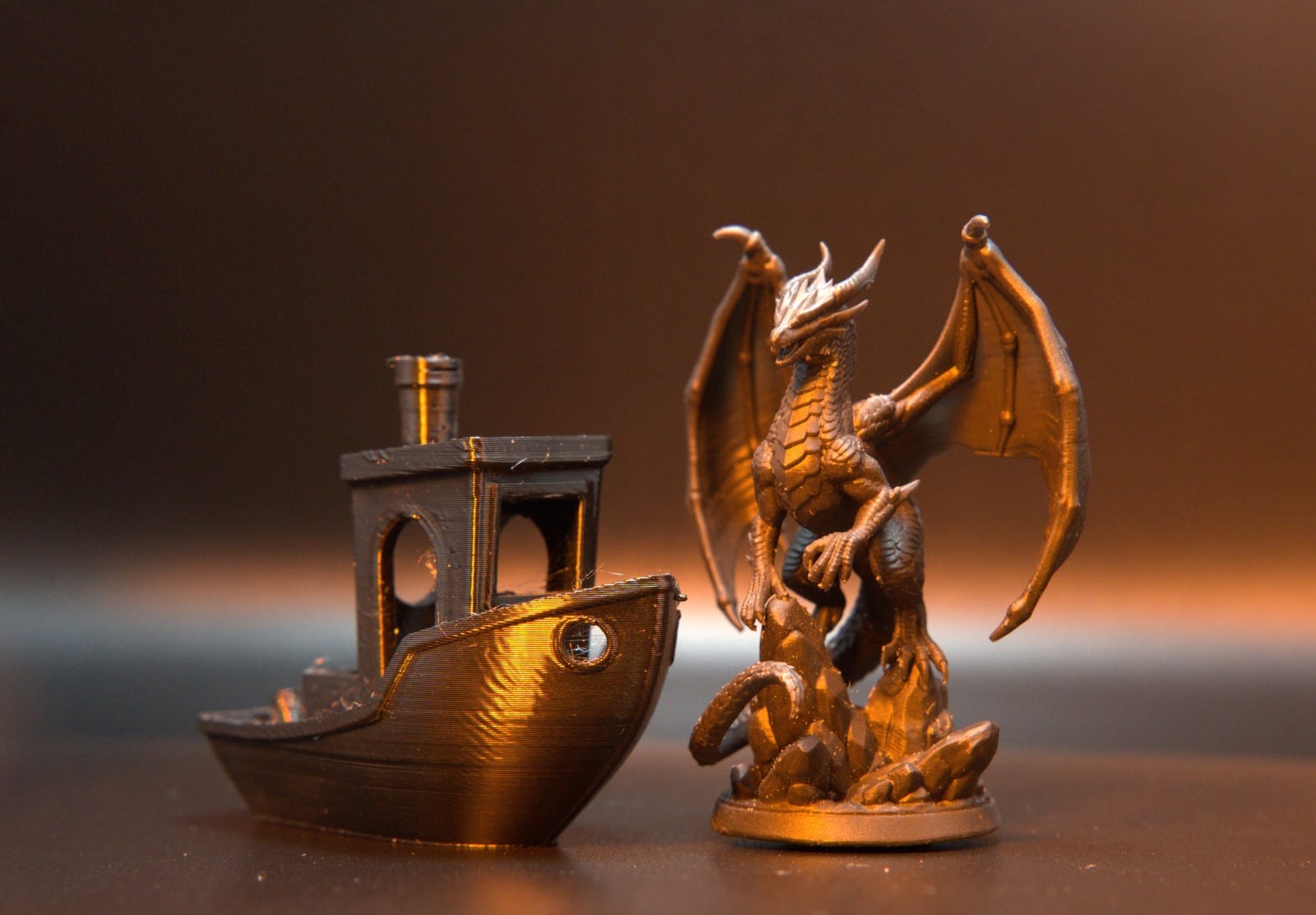
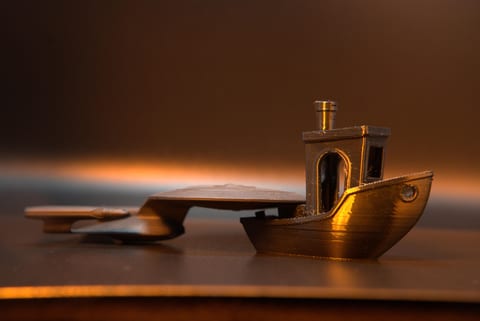
The dragon on the right is resin; the boat on the left is filament. Same idea, different physics — detail wants resin, size and toughness want filament. We run both, so the honest answer costs you nothing.
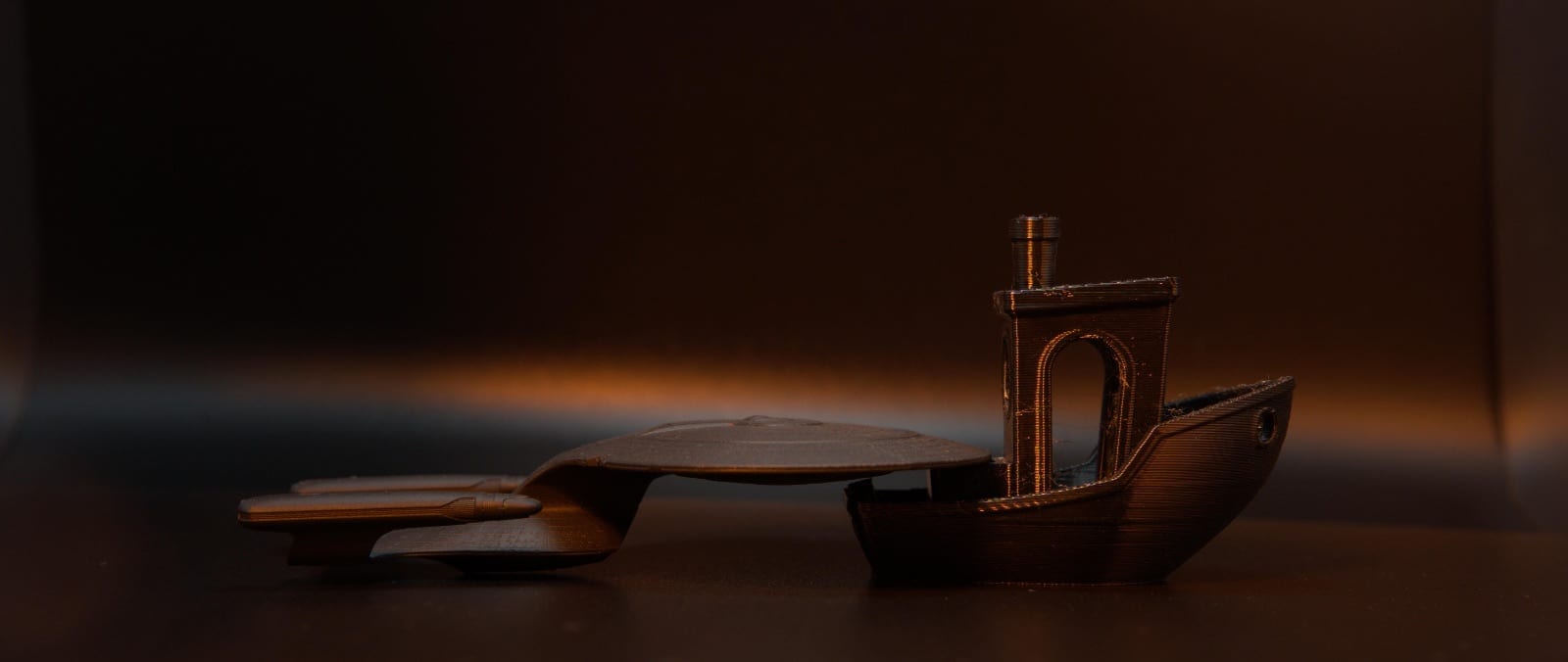
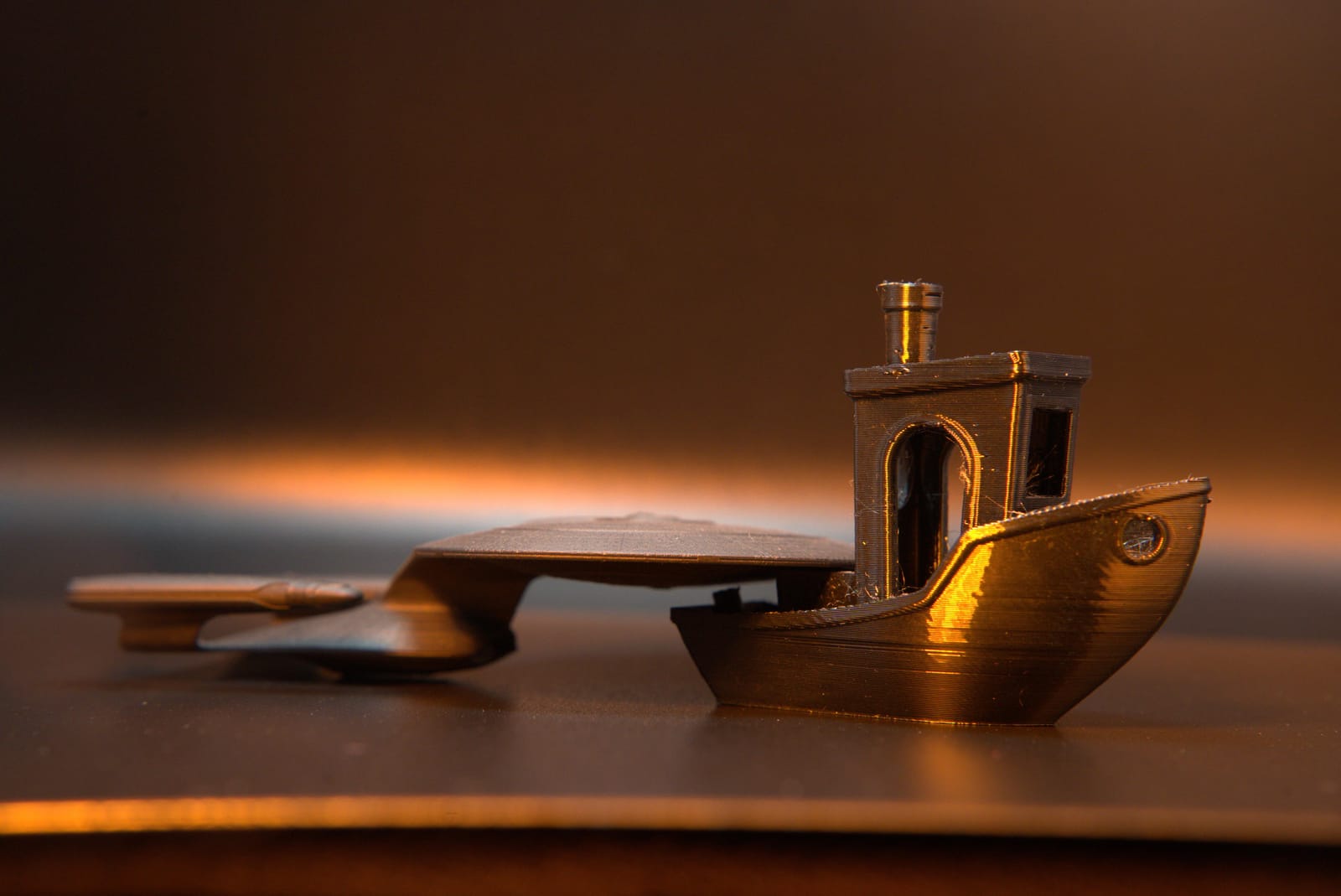
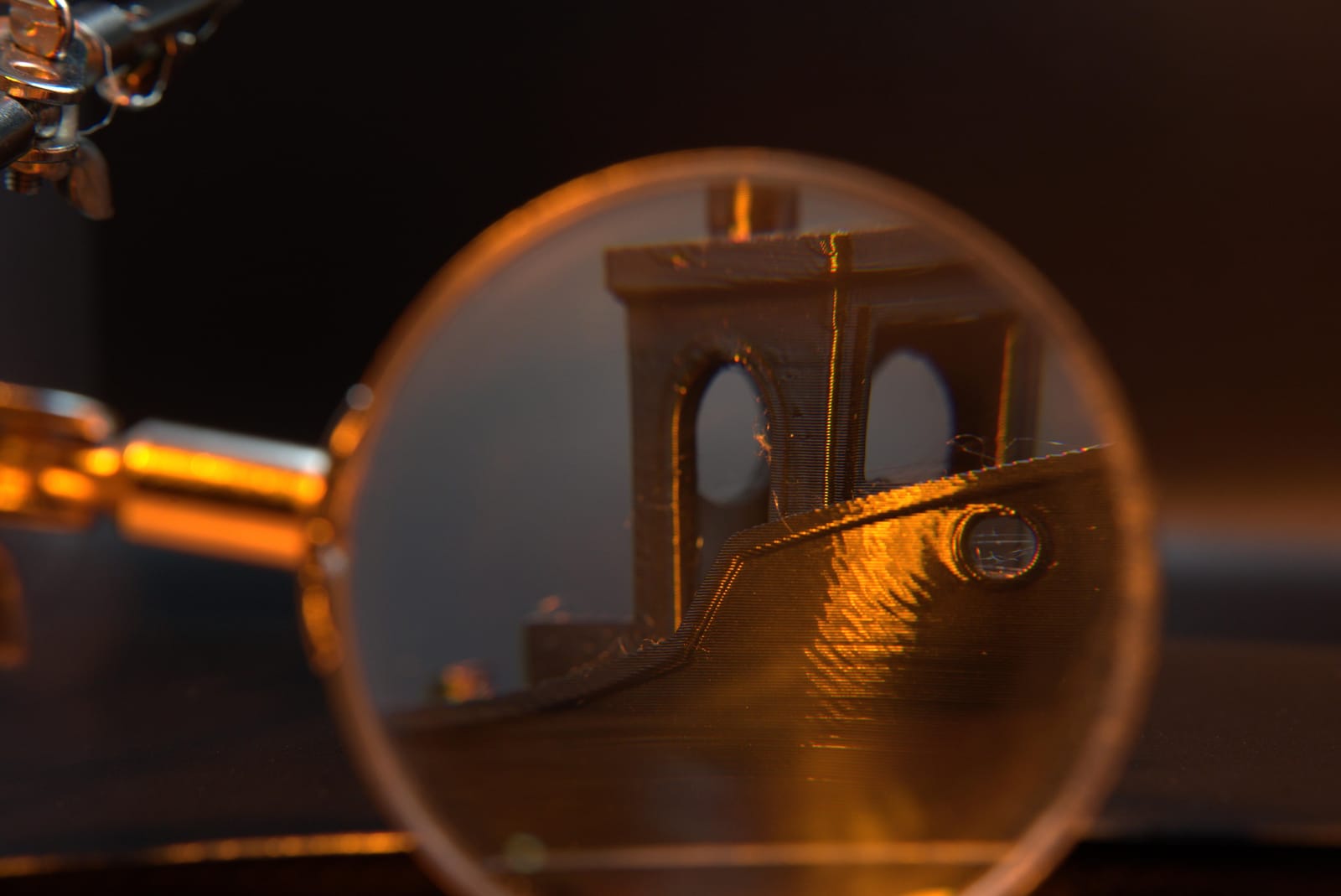
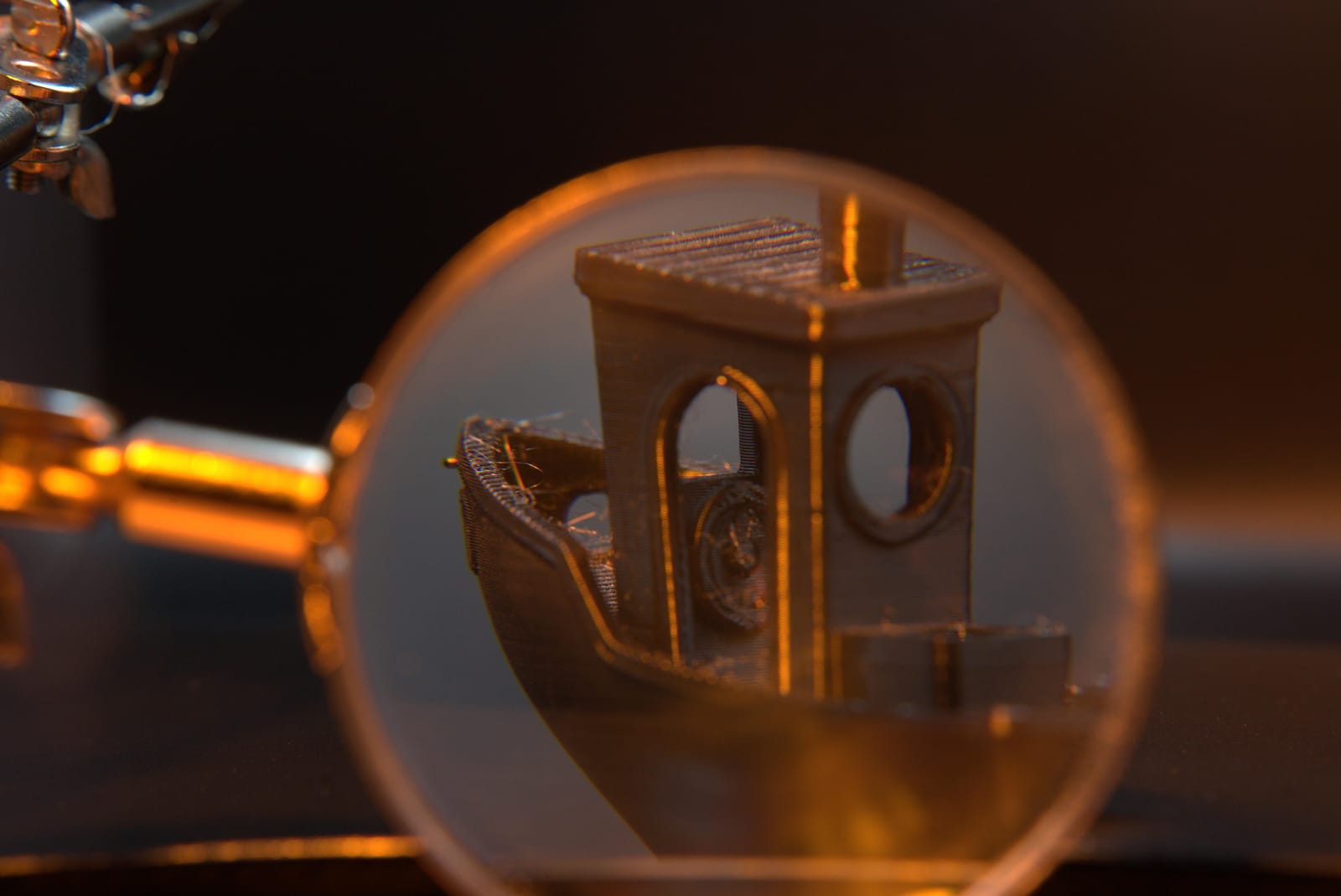
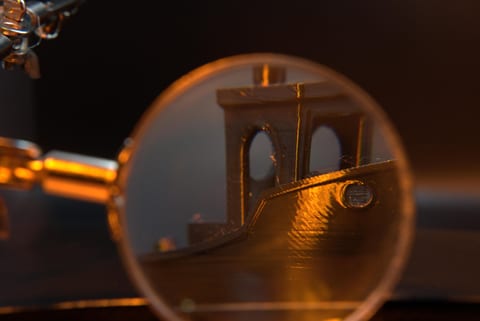
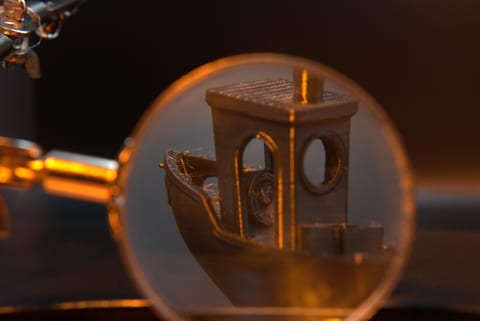
This is the calibration boat every printer runs, in filament, and the magnified shots show exactly what filament is: layers you can count. That is not a fault — it is the trade. What it buys you is a part more than three times the size of anything the resin printer can hold, tougher in the hand, and cheaper by volume. When your part needs that more than it needs 25 microns, this is the machine it goes on.
Castable wax patterns that burn out clean for your caster.
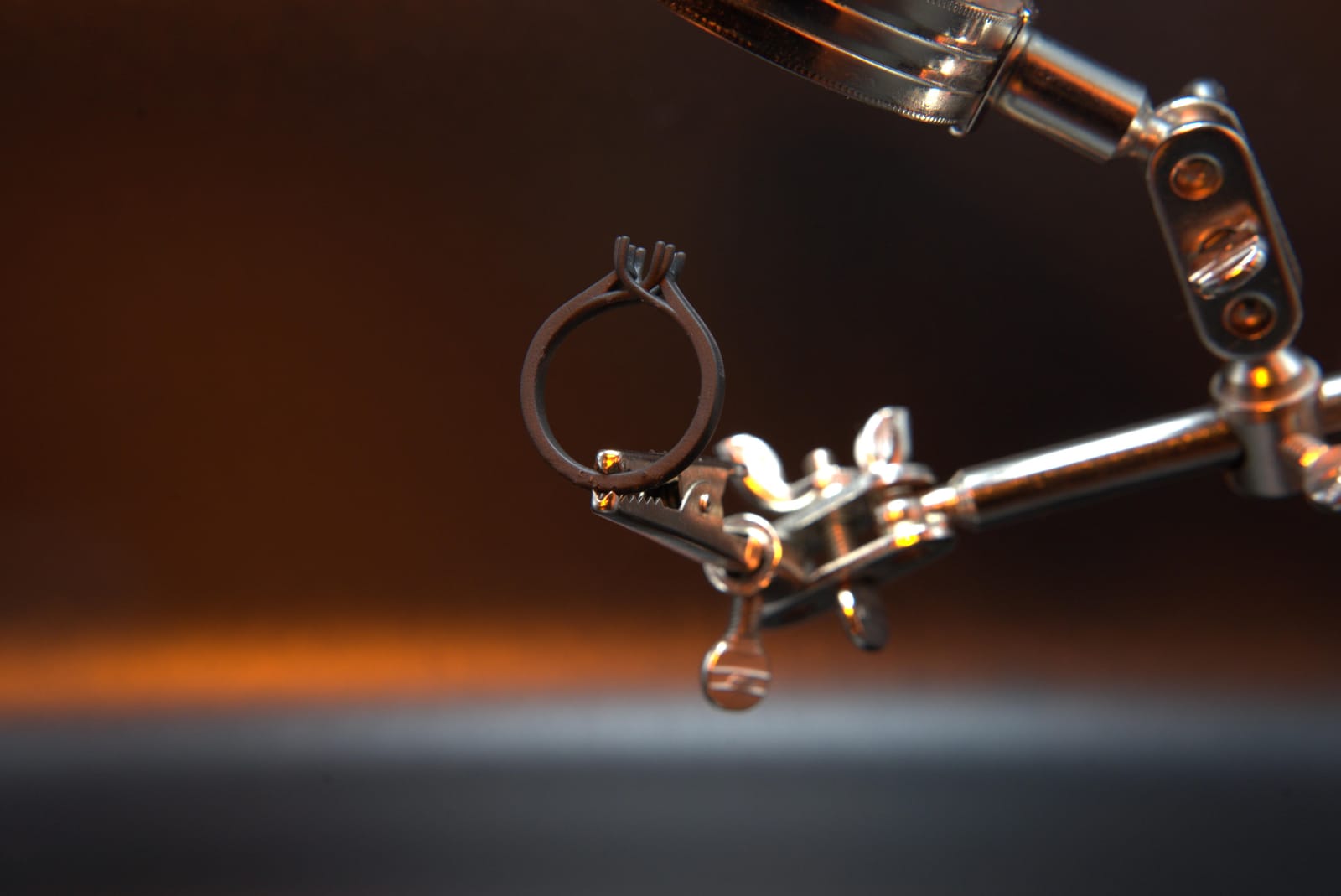
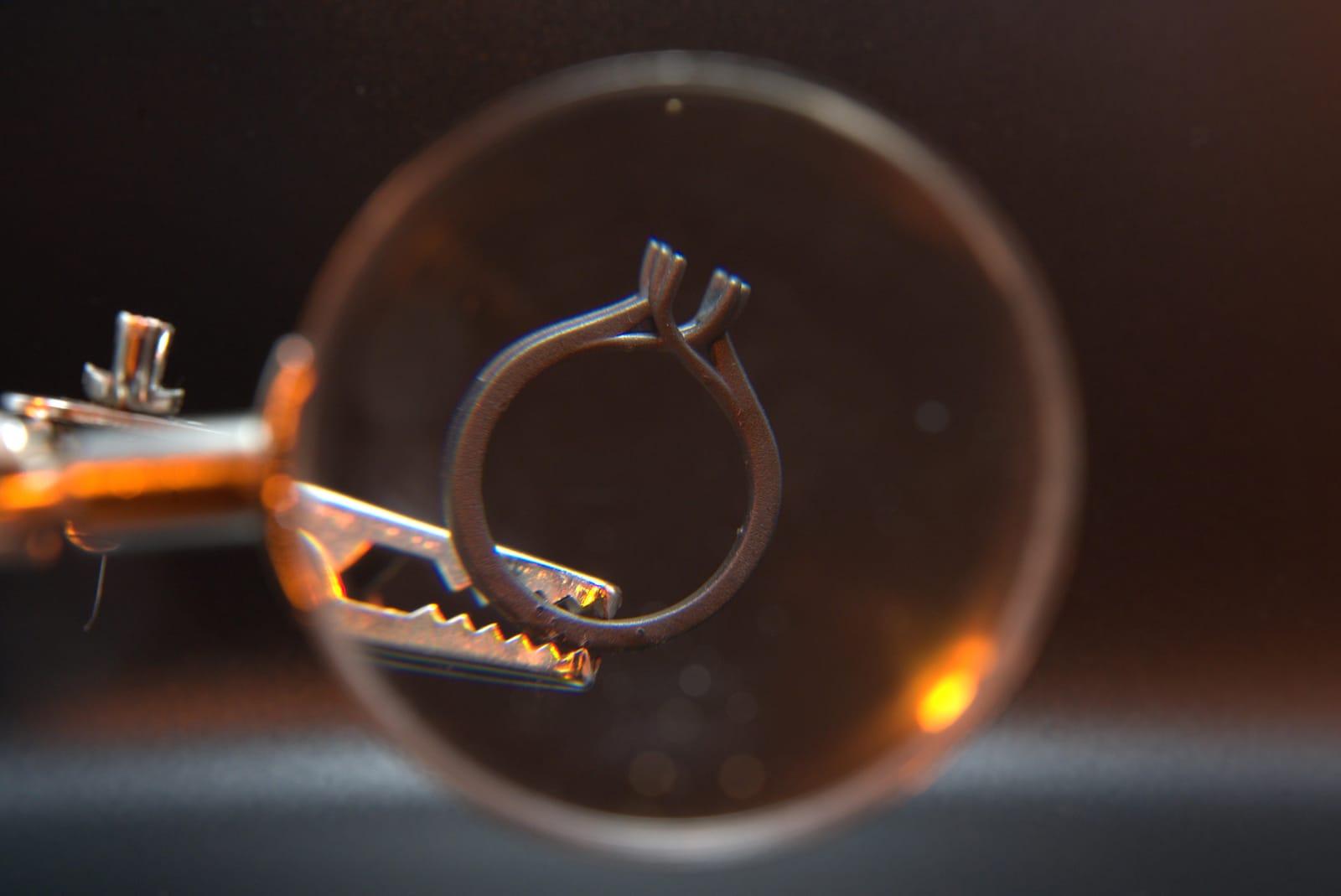
Solitaire ring pattern, prongs intact
25 µm layers
Four-prong head
Printed as one piece
Shown under a loupe
A solitaire printed whole — shank, gallery, and a head whose prongs come out thinner than the clamp holding it. That head is the whole test: if the prongs print soft or the shank steps, anything cast from the pattern inherits the fault.
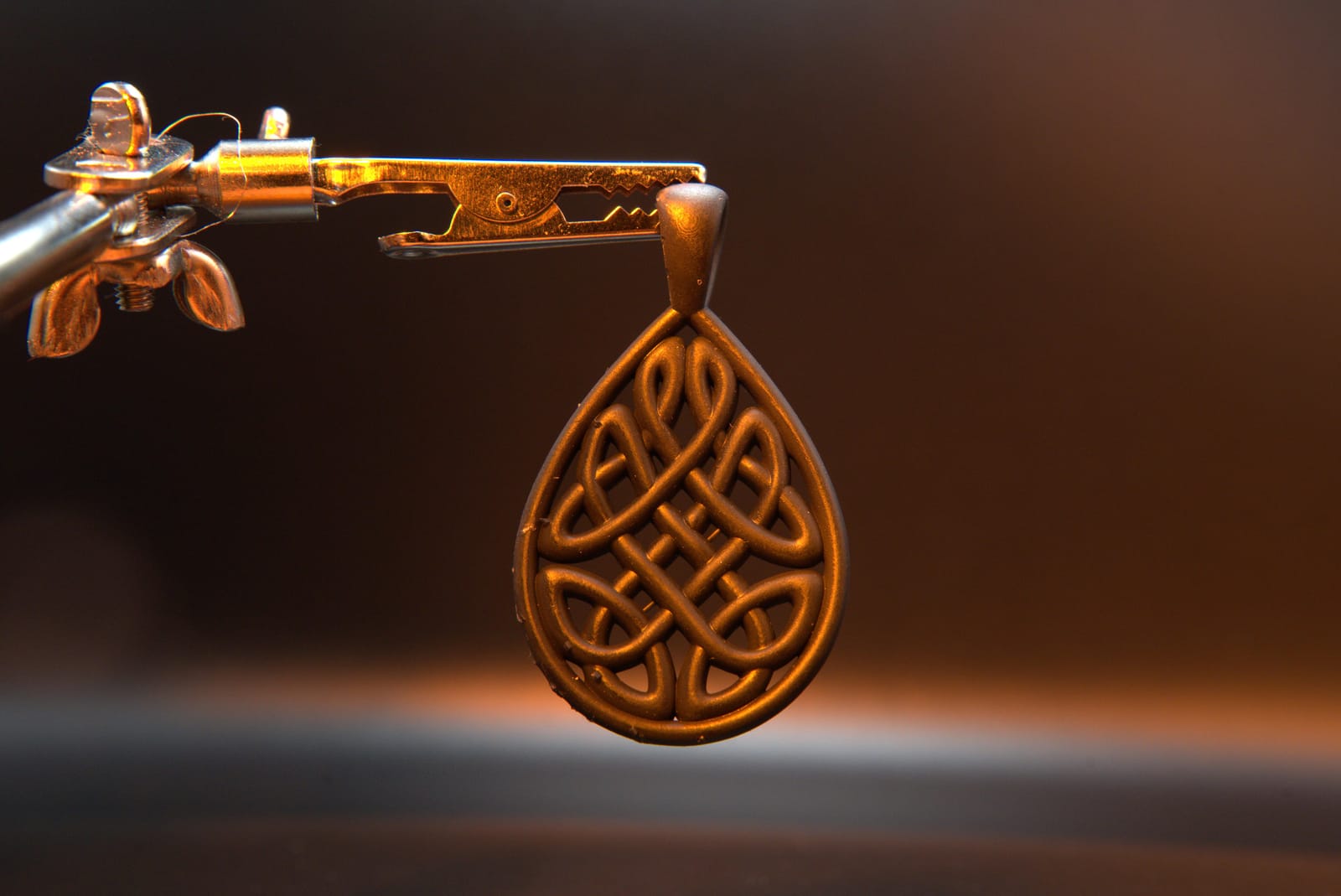
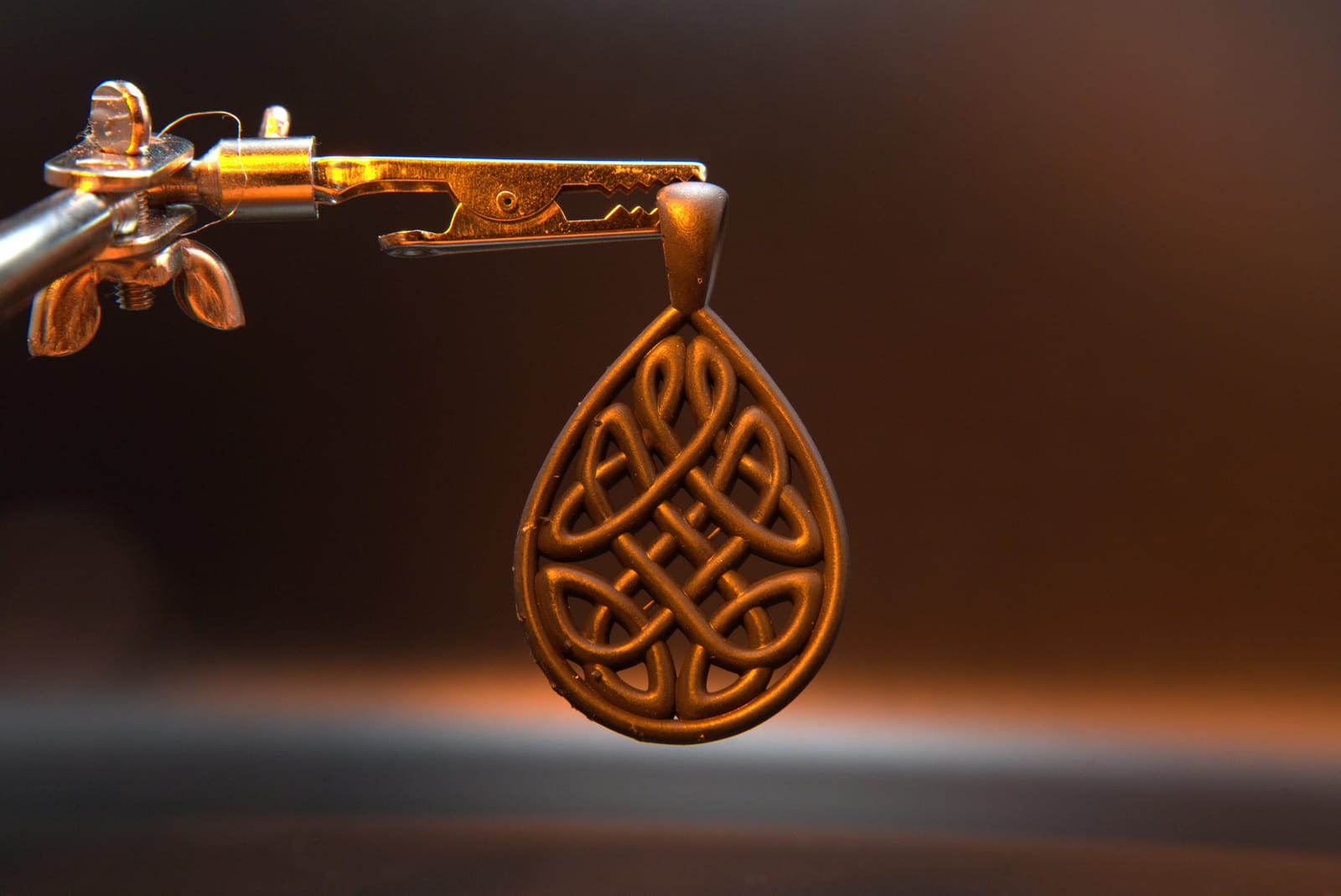
The knotwork is the point. Every strand passes over and under its neighbors with real daylight between them — and at this size those gaps are exactly where a filament nozzle bridges and turns a pattern into a blob.